


Types of Gym Machines - A Complete Guide to Gym Equipment
Updated: Sep 29
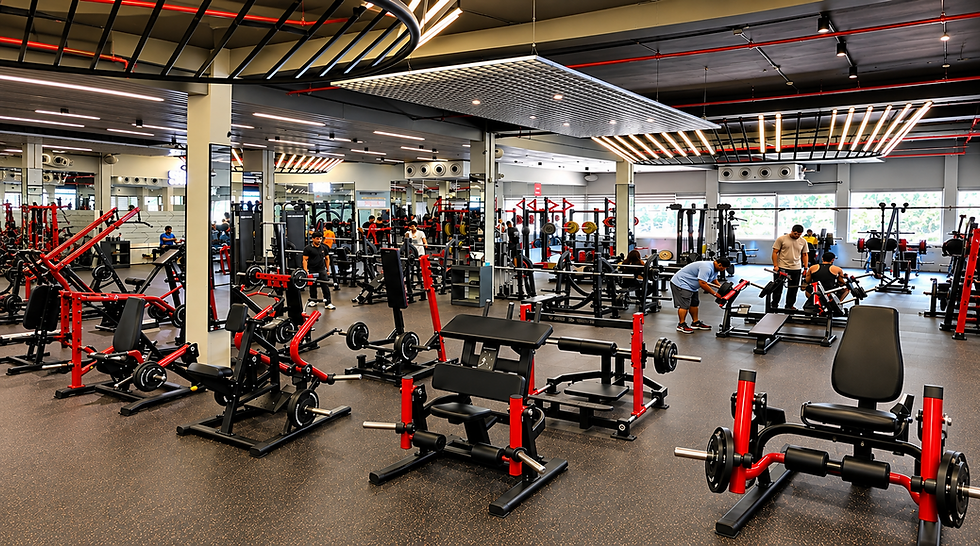
If you are someone who is entering an equipment showroom, for the first time be prepared to witness a variety of gym machines. You will be so stunned with a series of equipment that choosing the right equipment is not easy. For a gym owner, or investor every piece of equipment is a business decision. This article will lead you to understand “the need for equipment rather than its want”. It resonates with the member experience, space utilization, maintenance costs, training possibilities, and ultimately, the return on investment.
Today, all gym equipment is evolving with technology. Leading fitness companies are introducing AI-powered and connected equipment that can adapt workouts, track performance, and create more personalized training experiences.
This makes choosing the right equipment more important than ever. The goal should not be to buy machines because they look impressive or are currently trending, but to select equipment that matches your target audience, gym size, business model, budget, and long-term growth plans.
So we will explore the major types of gym machines and equipment, from cardio and strength machines to functional training and free weights. Because the right question is not “What equipment do I want in my gym?” but rather, “What equipment does my gym actually need to deliver results and build a sustainable business?”
How to select Right Cardio Equipment for your Gym?
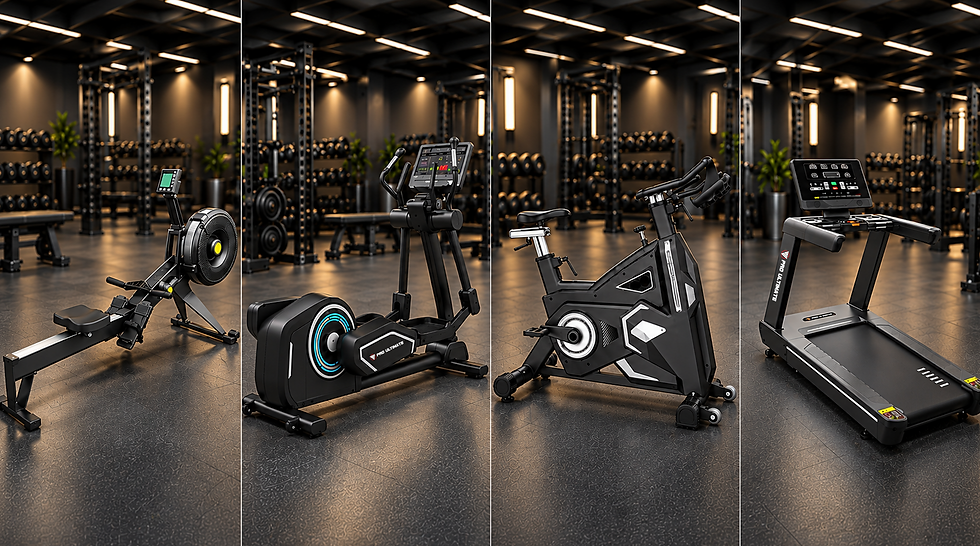
Cardio equipment forms the core of any gym setup, with treadmills, bikes, ellipticals, and rowers being the most commonly used machines. These are typically the first touchpoints for members and play a key role in daily workouts.
Choosing the best cardio gym equipment should go beyond price. Factors like performance, durability, comfort, safety, and ease of use directly impact member experience and equipment longevity.
High-quality machines improve first impressions, increase usage consistency, and reduce maintenance issues, making them essential for long-term gym value.
Now, let’s dive deeper into cardio equipment and understand the different types, features, and purposes of each machine.
Treadmill
A treadmill provides a versatile cardio workout for walking, jogging, and running, making it suitable for almost every fitness level. Its adjustable speed and incline allow users to customize workout intensity, while modern features such as digital displays, and heart-rate tracking. For any type of gym home or commercial gyms, a reliable treadmill can deliver high daily usage and long-term value.
Electric Treadmill
A high-usage cardio machine that appeals to a broad range of members, from beginners to regular runners. Its flexibility makes it a practical investment for maximizing equipment utilization and meeting everyday cardio demand.
Curved-Belt Treadmill
A premium addition that can elevate the gym’s cardio offering performance-oriented workout experience. It adds variety to the cardio zone while strengthening the overall perception of a modern, well-equipped facility.
Spin Bike
A compact cardio solution that brings high-energy cycling into the workout floor without demanding excessive space. Its appeal to both everyday users and group-training enthusiasts makes it a valuable addition for creating a more engaging fitness environment and expanding the range of workouts any facility can offer.
Elliptical Cross Trainer
The elliptical offers a comfortable, low-impact workout that can appeal to members across different fitness levels. Its ability to provide a full-body cardio experience makes it a great alternative to treadmills and bikes, helping create a more diverse fitness space where members have more reasons to stay engaged with their workouts.
Rowing Machine
A gym machine that is perfect for a full-body workout, which imitates rowing. It adds a full-body (arms, legs, core, and back) cardio option to the gym, giving members an effective alternative to conventional cardio machines.
Air Bike
A strong choice for full-body conditioning, high-intensity training (HIIT), and intense workouts, adding a challenging cardio option for members seeking energy training.
How to choose the best Strength Training Equipment
Strength training equipment forms the backbone of a complete gym, helping members build muscle, improve strength, targeted movements, and progress through different training levels.
From easy-to-use, pin-loaded machines to plate-loaded equipment, free weights, and functional systems, each category serves a different training purpose. Understanding how these machines work, what they offer, and where they fit into a gym layout helps create a balanced training environment that gives members more reasons to train, progress, and keep coming back.
Here are the Strength Training Machines you can consider:
Pin-Loaded Machines
Pin-loaded machines use a built-in weight stack that allows users to select resistance with a simple adjustment pin. They support exercises such as:
● Chest Press
● Lat Pulldown
● Leg Extension
● Leg Curl
● Shoulder Press
The guided movement of adjustment feature helps users maintain proper positioning while focusing on the intended muscle group.
In addition to standard pin-loaded equipment, we also offer “single and dual movement machines” that provide greater comfort and flexibility during exercise. These machines feature movable parts that adapt to the user’s natural range of motion, allowing for a more personalized training experience. This design helps target specific body muscles to shape more effectively and enables users to perform repetitions in a way that best suits their individual comfort and exercise style.

Why it matters in a gym: A well-planned selection of pin-loaded machines can make the strength area more accessible, organized, and easier to use, giving members a clear starting point for building strength and encouraging them to explore more training options within the facility.
Plate-Loaded Machines
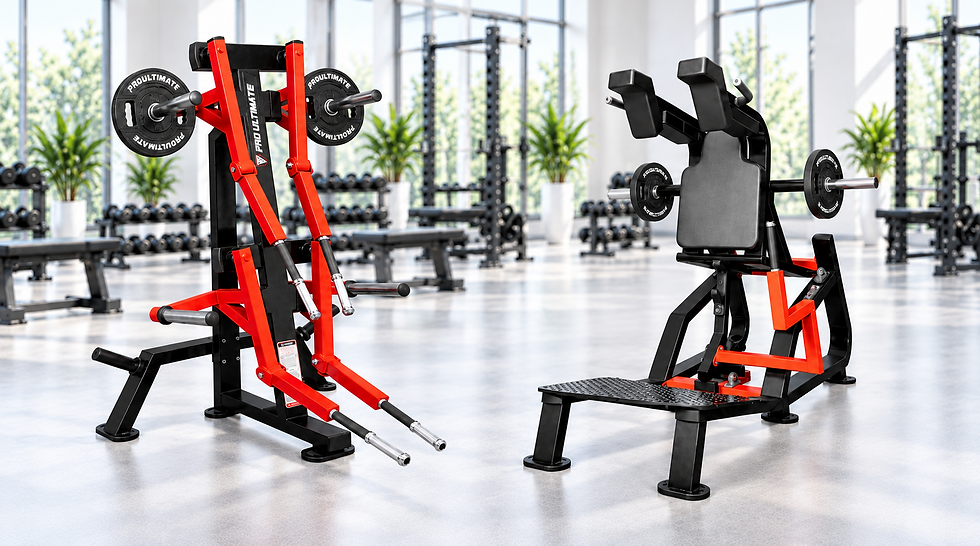
Plate-loaded machines use weight plates to provide resistance, allowing users to increase the load according to their training capacity. They support movements in machines such as:
● Hammer Strength Machines
● Plate-Loaded Chest Press
● Plate-Loaded Row
● Hack Squat
With multiple variations available for different muscle groups and movement patterns, plate-loaded equipment can offer varied training angles and exercise positions. This allows members to target the same muscle through different movements, helping create a more versatile and progressive strength-training experience.
Why it matters in a gym: This variety gives experienced members more ways to train, progress, and keep their workouts challenging. A well-planned range of plate-loaded machines can make the strength floor more comprehensive, giving members greater exercise choice as their training requirements evolve.
Functional Training Equipment for Versatile Workouts
Functional training equipment supports a wide range of movements rather than restricting users to a single exercise, making workouts more adaptable to different goals and training levels. By adding a dedicated functional training zone, gyms can offer members greater freedom to train, progress, and combine exercises within one space. This versatility also allows multiple workout styles to be accommodated without requiring separate machines for every movement, making it a valuable addition when creating a complete and engaging fitness environment.
Cable Crossover
A versatile cable system that supports presses, pulls, flyes, rows, and isolation movements from multiple angles. It gives members greater exercise variety within one station, making it a valuable addition for creating a flexible, engaging training floor.
Functional Trainer
Designed for multi-directional training, a functional trainer allows members to work different muscle groups through adjustable cable positions and resistance. Its versatility supports strength, mobility, and functional workouts, making one machine useful across varied training needs.

Leg Press Machine
A strong addition for lower-body training, the leg press allows members to develop the quadriceps, hamstrings, and glutes with controlled resistance. It provides a dedicated option for leg strength while adding variety beyond free-weight exercises.
Power Rack
A power rack creates a foundation for compound strength movements such as squats, presses, and deadlifts. Its flexibility allows multiple exercises within one setup, making it an efficient choice for gyms aiming to support serious strength training.
From building lower-body strength to developing upper-body power, the Power Rack supports several foundational compound movements, including:
● Squats
● Deadlifts
● Bench Press
Smith Machine
The Smith Machine provides a guided bar path for exercises such as squats, and lunges, offering added stability during training. It bridges the gap between free weights and machine-based workouts, making strength training approachable across different experience levels.
Gym Accessories & Supporting Equipment
Gym accessories are best placed toward the end because they complement the primary machines rather than being the main equipment. These help trainers offer personalized workouts, support different fitness goals, and improve the overall member experience by making sessions more engaging and diverse.
Accessories & Free weight training tools add exercise variety and flexibility.
● Dumbbells
● Gym Mats
● Handles & Grips
● Kettlebells
● Resistance Bands
● Skipping Ropes
● Weight Benches
How to Choose the Right Gym Equipment?
Whether you are planning a home gym setup or considering investing in a commercial gym, understanding the different types of gym machines is essential before making a choice. The right equipment can influence workout effectiveness, safety, space utilization, and long-term value. Knowing what each machine offers helps you make a more informed decision based on your fitness goals.
1. Consider Your Available Space
Space plays a major role in deciding which gym equipment is right for your facility. Every gym has different requirements depending on its available sq. ft. layout, and training focus. For example, a gym may need dedicated areas for cardio, strength training, HYROX/functional training, and group studios. Instead of filling the space with equipment, plan each zone according to its size and purpose. This helps you select the right number, type, and size of machines while maintaining safe movement, comfortable workout areas, and efficient space utilization.
2. Define Your Target Audience
Your target audience directly influences the type of workouts, equipment, and overall gym experience you should offer. Understanding who your members are helps you balance essential equipment with more specialized training options.
For example, in rural or smaller towns, where fitness awareness may still be developing, members will tend to prefer familiar equipment such as treadmills, cycles, and basic strength machines. This does not mean functional or advanced equipment should be excluded; rather, the setup should prioritize equipment that matches the audience's current needs while gradually introducing new training options.
In urban markets, where members are often more fitness-conscious and familiar with different training styles, gyms may need a broader and more specialized equipment mix. From premium strength machines and functional training equipment to HYROX and performance-focused setups, the selection should align with members' fitness goals, expectations, and willingness to explore advanced training.
3. Plan Your Equipment Budget
Planning your equipment budget is one of the most important steps before setting up a gym. Gym equipment is a long-term fixed asset, but it also comes with ongoing costs such as maintenance, repairs, replacement parts, and depreciation over time. Therefore, the goal should not simply be to buy more equipment, but to invest in the right equipment within a sustainable budget.
Start by defining how much of your total investment you can allocate to equipment, considering available capital, gym size, business model, and expected membership. Look beyond the purchase price and factor in installation, transportation, flooring, maintenance, repairs, and spare parts. Prioritize essential equipment based on member needs, then invest in premium or specialized machines. The right equipment budget balances quality, member experience, operational costs, and long-term business sustainability without unnecessarily stretching your capital.
4. Prioritize Safety & Biomechanics
Safety should be a priority when selecting gym equipment. Choose machines designed with proper biomechanics, natural movement patterns, adjustable settings, and adequate safety features to reduce the risk of strain or injury. Equipment should suit the different body types, fitness levels, and training abilities of your members. For gym owners, investing in well-designed equipment not only protects members but also improves workout quality, confidence, and overall user experience.

What Else Does a Gym Need Besides Equipment?
Gym equipment is only one part of building a complete and sustainable fitness facility. To attract and retain members, a gym may also need dedicated studio spaces, functional training areas, indoor sports facilities, recovery zones, saunas, changing rooms, showers, and other member amenities. The right combination depends on the gym’s size, target audience, location, and business model. These additional facilities can enhance the overall member experience and create more value beyond the workout floor.
Trusting reliable Gym brand is must
While there are several gym equipment brands in the market, Pro Ultimate combines manufacturing expertise with complete gym setup solutions. Our equipment is manufactured in-house, allowing greater control over design, quality, and performance. From essential strength and cardio machines to premium and specialized equipment, we offer world-class gym solutions designed to meet different fitness and business requirements. For gym owners and investors, this means access to reliable equipment backed by a brand that understands the complete gym setup journey.


Comments